WoW Gold Farms
 WoW Forever · Leveling Gold
Gold From Level 1 to 10 in WoW Forever: What to Loot, Sell and Vendor
Starter-zone cloth, leather, herbs and ore priced live against their vendor values, with a sell or vendor table and starter maps.
The short answer
Your first ten levels in WoW Forever will not make you rich, but they decide whether you reach level 10 with a little money or with none. The trick is knowing which drops to carry to the Auction House and which to dump on the nearest merchant. The clear winners are  Copper Ore at 39 copper against a vendor price of 5 copper,
 Strange Dust at 43 copper against 1 copper, and
 Light Leather at 10 copper, which feeds 100 recipes in the client. The clear loser is
 Light Hide: it is 64 copper live, and the merchant pays 50 copper. Sell the first group, vendor the second, and you will start the 10 to 20 bracket ahead of most new characters.
How we built the numbers
Every vendor price on this page comes from the Forever client itself. Every recipe count comes from our extract of the profession tables (build 70124). Auction House prices come from our live scans, and the strips render the newest scan whenever this page loads. Nobody on our side has timed a starter-zone loop yet, so you will not find a gold rate here. Where a rate would go, we give you the inputs instead.
The one number we care about in this bracket is the ratio between the Auction House price and the vendor price. If an item sells for many times what the merchant pays, it is worth a bag slot and a trip to town. If the two numbers sit close together, the merchant wins, because a vendor sale is instant and costs nothing to list.
The starter materials, priced
These are the trade goods a level 1 to 10 character actually sees: the first cloth from humanoids, the first leather and hides from beasts, the first herbs and ore if you picked a gathering profession, and the dust that falls out of disenchanted starter greens.


| Item | Vendor price (client) | Live price |
|---|---|---|
| Copper Ore | 5 copper | 39 copper |
| Strange Dust | 1 copper | 43 copper |
| Copper Bar | 10 copper | 50 copper |
| Peacebloom | 10 copper | 19 copper |
| Light Leather | 15 copper | 10 copper |
| Linen Cloth | 13 copper | 16 copper |
| Earthroot | 20 copper | 22 copper |
| Silverleaf | 10 copper | 12 copper |
| Ruined Leather Scraps | 7 copper | 7 copper |
| Light Hide | 50 copper | 64 copper |
The order to expect is that ore and dust sit far above everything else, herbs and basic leather sit in the middle, and Light Hide sits near or under its own vendor price. If a live price drifts from that order, trust the live price.
Lowest buyout across the WoW Forever realms we scan, read live from player scans of the Auction House. Prices move hourly, so check before you list. Verified
Why Light Leather matters more than its price
On price alone, Light Leather looks like a small item. It is 10 copper live. But the client tells a bigger story. Our extract lists 100 recipes that take Light Leather as a reagent, and 59 of them are new in Forever. Leatherworking owns 82 of those recipes, Blacksmithing 8, Tailoring 6 and Engineering 3. If one character crafted every one of those recipes once, they would use 713 Light Leather.
That is the largest demand total of any material a level 1 to 10 character can loot, and it is also one of the deepest trade goods on the market. Big supply and big demand together keep the price low but steady. For you, that means Light Leather always sells. It will never be the most valuable thing in your bags, but it is the one item you can list without worrying whether anybody wants it.
| Material | Recipes that use it | New in Forever | Total units if each recipe is crafted once |
|---|---|---|---|
| Light Leather | 100 | 59 | 713 |
| Bolt of Linen Cloth | 46 | 18 | 149 |
| Copper Bar | 65 | 32 | 394 |
| Peacebloom | 13 | 7 | 14 |
| Linen Cloth (raw) | 12 | 1 | 18 |
| Silverleaf | 8 | 5 | 9 |
| Earthroot | 9 | 4 | 14 |
Read the cloth rows together. Raw Linen Cloth only goes straight into 12 recipes, because Tailors turn it into Bolt of Linen Cloth first: two Linen Cloth make one bolt in the client, and the bolt feeds 46 recipes. Compare two Linen Cloth with one Bolt of Linen Cloth on the Auction House: that gap is the Tailor's margin, and it is small. As a non-Tailor, sell the raw cloth.
Sell or vendor: the starter table
Here is the table to keep open while you level. It covers the materials above plus the most common grey and white drops from starter-zone beasts. The vendor column is from the client; the live column is the current median.
| Drop | Vendor | Live price | Do this |
|---|---|---|---|
| Copper Ore | 5 copper | 39 copper | Sell on the Auction House |
| Strange Dust | 1 copper | 43 copper | Sell on the Auction House |
| Raw Brilliant Smallfish | 1 copper | 12 copper | Sell if you fish; Cooks buy it |
| Stringy Wolf Meat | 4 copper | 35 copper | Sell in stacks |
| Small Egg | 4 copper | 19 copper | Sell in stacks |
| Raw Slitherskin Mackerel | 1 copper | 4 copper | Sell in stacks |
| Peacebloom | 10 copper | 19 copper | Sell |
| Light Leather | 15 copper | 10 copper | Sell |
| Linen Cloth | 13 copper | 16 copper | Sell, or keep for First Aid |
| Ruined Pelt | 5 copper | 8 copper | Sell only in full stacks |
| Rabbit's Foot | 9 copper | 9 copper | Vendor unless you have a stack |
| Small Spider Leg | 3 copper | 3 copper | Vendor if it matches the vendor price |
| Light Hide | 50 copper | 64 copper | Vendor unless the live price beats it |


Two rules come out of that table. First, cooking ingredients that vendor for one to four copper can sell for many times that, because new Cooks need them by the stack and nobody bothers to list them. Second, anything where the scan price is within a few copper of the vendor price belongs to the merchant. Listing it costs you a deposit and a trip, and the Auction House takes its cut from the sale, so a live price that only matches the vendor is a loss once the cut comes out.
Light Hide: the trap item
Light Hide is worth calling out on its own. It vendors for 50 copper, more than ten times what Ruined Leather Scraps vendors for, so it feels valuable. Its live price is 64 copper, usually near or below the merchant. The reason is in the client: Light Hide goes into exactly one recipe, Cured Light Hide, and that recipe also needs Salt. Cured Light Hide itself feeds 49 Leatherworking recipes, 39 of them new, but it trades close to its vendor price of 1 silver10 copper. There is no room in that chain for a raw hide to carry a premium.
The call is simple. Vendor every Light Hide unless you are a Leatherworker who needs Cured Light Hide for your own recipes. If the live price climbs above 50 copper on the strip, revisit it.
Copper Ore and Strange Dust: the two real earners
If you take Mining in the first ten levels, Copper Ore is the best single item in this bracket. It is 39 copper live, many times its vendor price. Smelting it into Copper Bar gives a bar worth 50 copper, so compare the two before you smelt. Our Copper Ore guide covers that smelt or sell decision in full, including the 65 recipes that take Copper Bar.
Strange Dust is the surprise. It vendors for a single copper, and it is 43 copper live. You only get it by disenchanting, so it is an Enchanter's item, but if you or an alt is an Enchanter, every starter green you pick up is worth breaking rather than vendoring. Our extract shows Strange Dust going into 43 recipes, 31 of them Enchanting, with ten new Blacksmithing recipes also asking for it.
Step by step: your first ten levels
- Pick one gathering profession at level 1. Mining is the strongest early pick on these numbers, because ore carries the biggest premium over its vendor price. Skinning is the steadiest, because Light Leather has the most recipe demand.
- Loot everything. Starter mobs drop cloth, meat and small trade goods that cost you nothing to carry while your bags still have room.
- Each time you visit town, split your bags into two piles using the table above: Auction House items and vendor items.
- Vendor Light Hide, Small Spider Legs and any grey with a scan price near its vendor price.
- List ore, dust, cooking ingredients and herbs in full stacks. Stacks sell faster than singles, because buyers are levelling professions and want volume.
- Keep a stack of Linen Cloth if you plan to take First Aid. The client has two First Aid recipes that use Linen Cloth, and bandages save you gold on food and downtime later.
- Do not buy anything from the Auction House in this bracket unless it is a bag. Bag slots pay for themselves faster than any other early purchase.
Where to farm in the first ten levels
Every starting zone gives the same basic materials, so the right zone is the one your character starts in. These are the six starter areas, including Zephras Isle, the new Skyborne starting zone. We have not walked a timed starter loop, so these are places to start, not measured routes.
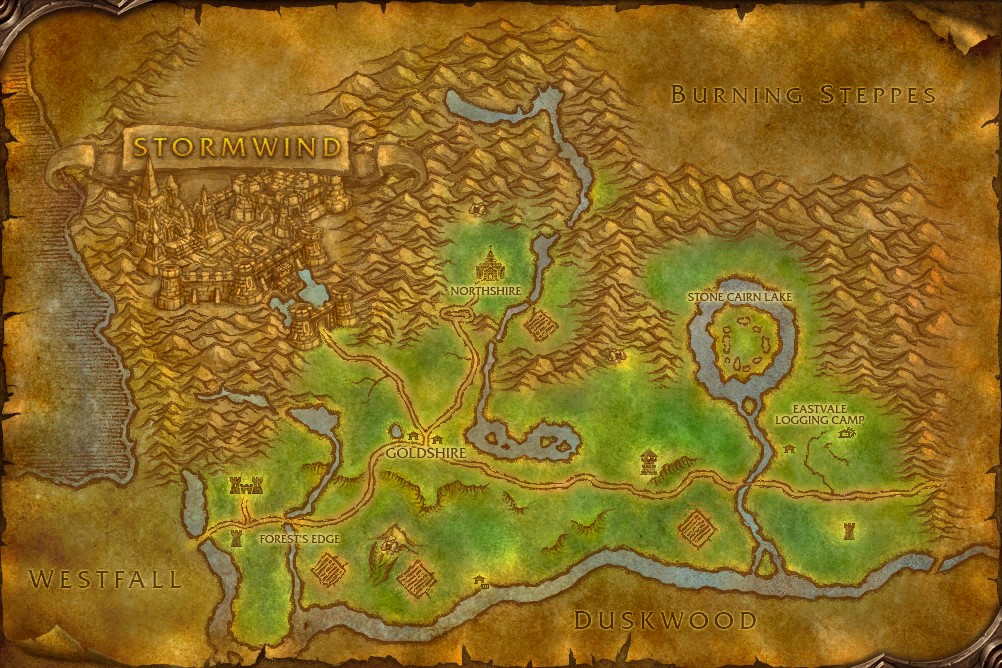
Elwynn Forest: Eastern Kingdoms, Zone ID 12
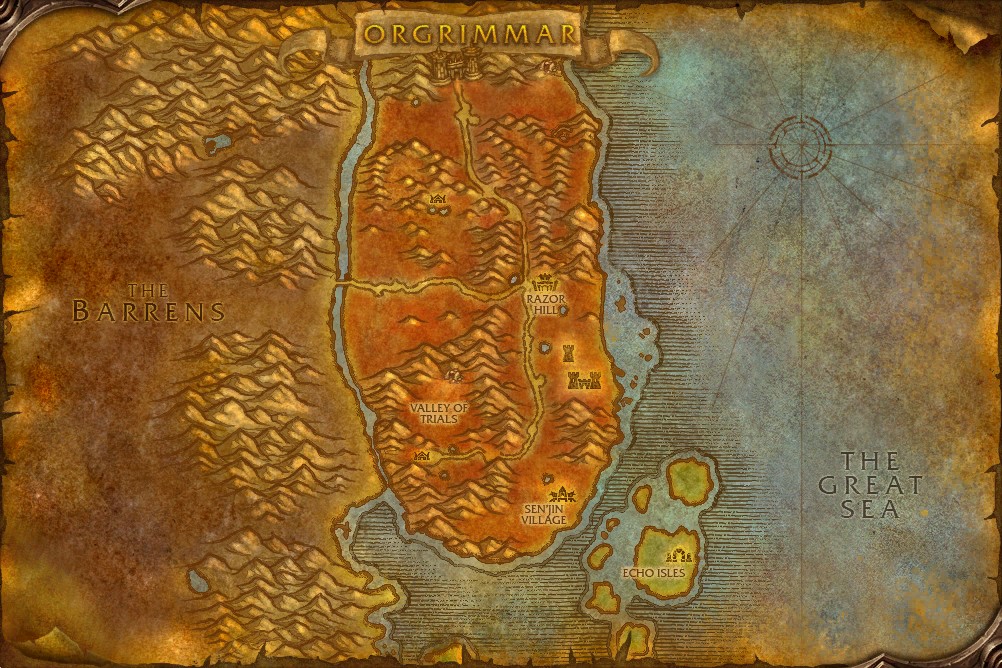

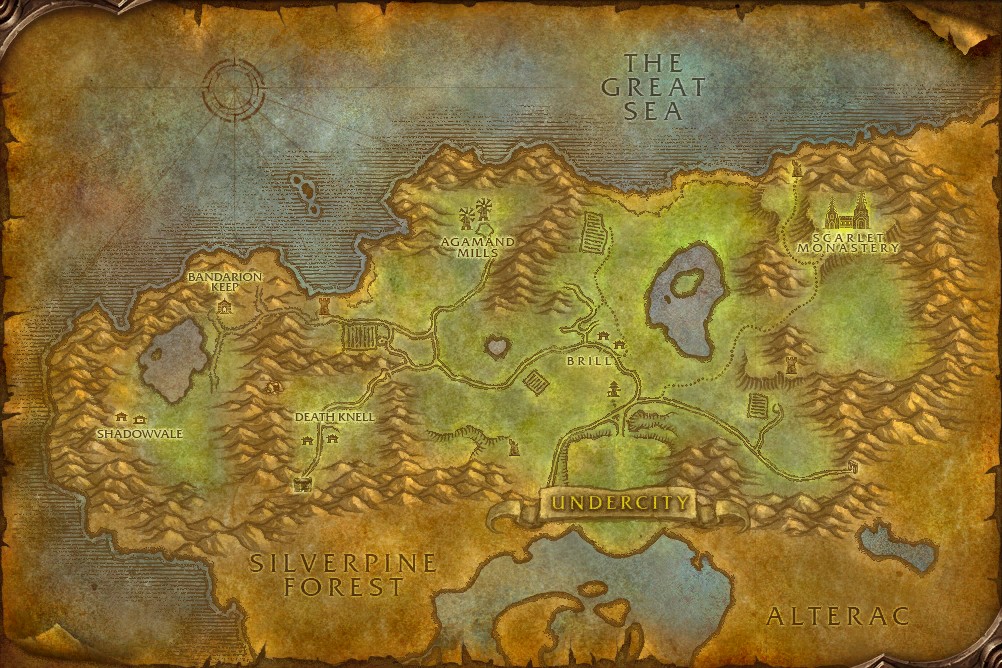
Elwynn Forest, Dun Morogh and Tirisfal Glades cover the Eastern Kingdoms starts. Expect heavy competition for copper veins and early herbs, and plan to sell your first ore while new Blacksmiths are still levelling.
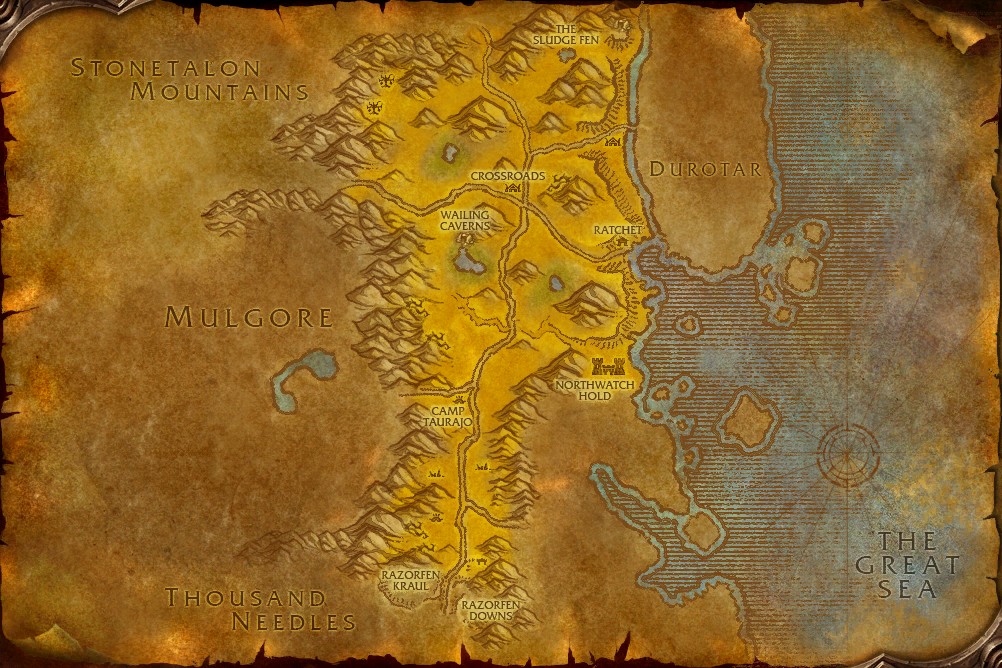
Durotar: Kalimdor, Zone ID 14
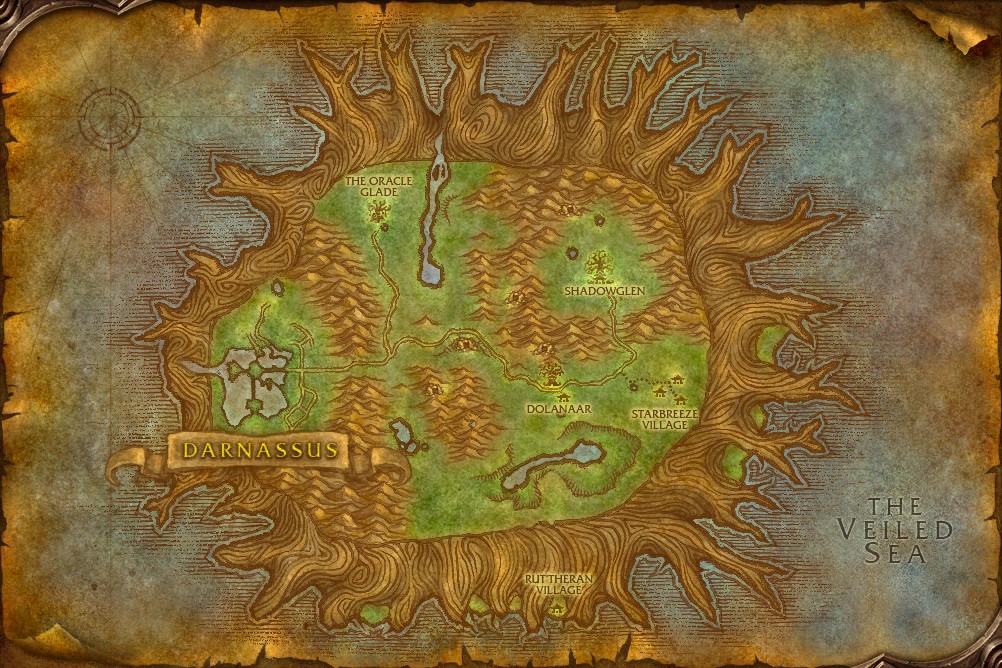
Durotar and Teldrassil are the Kalimdor starts. Teldrassil has no copper in Classic, so a night elf miner should expect to run to Darkshore at around level 10; we have not checked Forever for veins there.

Zephras Isle is new in Forever and is where the Skyborne begin. The client lists subzones there with explore levels from 3 to 12, which places it in exactly this bracket. Its new food items are Gustberry Juice and Fresh Gustberry Bread; we cover the island in our guide to the new Forever zones.
- Level
- 1 to 10
- Profession
- Optional: Mining, Skinning or Herbalism (Apprentice)
- Gear
- A gathering tool for your profession
- Group
- Solo
Starter zones, levels 1 to 10
Not walked yet
No hourly gold figure is published here until this route has been walked end to end with a timer and a full loot log. Until then this page gives you the inputs (live prices and what drops) and leaves the arithmetic to you.
What to watch on the Auction House
Three things move starter-material prices.
- Profession rush. When a new wave of characters hits level 5 to 10, they all train professions at once. Copper Ore, Light Leather and Peacebloom react first.
- Supply from alts. Gatherer alts flood the starter materials within days. If a price on the strip drops toward its vendor value, stop listing and hold or vendor.
- Recipe discovery. Forever adds new recipes for almost every profession. Our extract counts 59 new Light Leather recipes alone. When players find which of those are worth crafting, demand for the reagent shifts.
Is it worth farming gold below level 10?
Not as a goal on its own. Every price on this page is in copper. What the first ten levels give you is a habit: sort every bag before you vendor it, and never sell an ore or a dust to a merchant. A character that reaches level 10 with a few silver, a full set of bags and a gathering profession at skill 50 or more is set up well for the second bracket, where Wool Cloth, Medium Leather and Tin Ore start to carry real prices. Our 10 to 20 guide picks up from there.
More from this lane: vendor prices: what to sell and what to vendor, the best gathering professions to level with, and the full WoW Forever leveling gold hub. For every Forever guide, see the WoW Forever gold guides.
Changelog
- 2026-10-08: First version. Vendor prices from the client datamine, recipe counts from our profession extract (build 70124), zone subareas from our new-world extract (build 70058).
- 2026-11-21: Rewritten for the launched game. Beta framing removed; prices now come from the live Forever Auction House tags.
Related gold guides
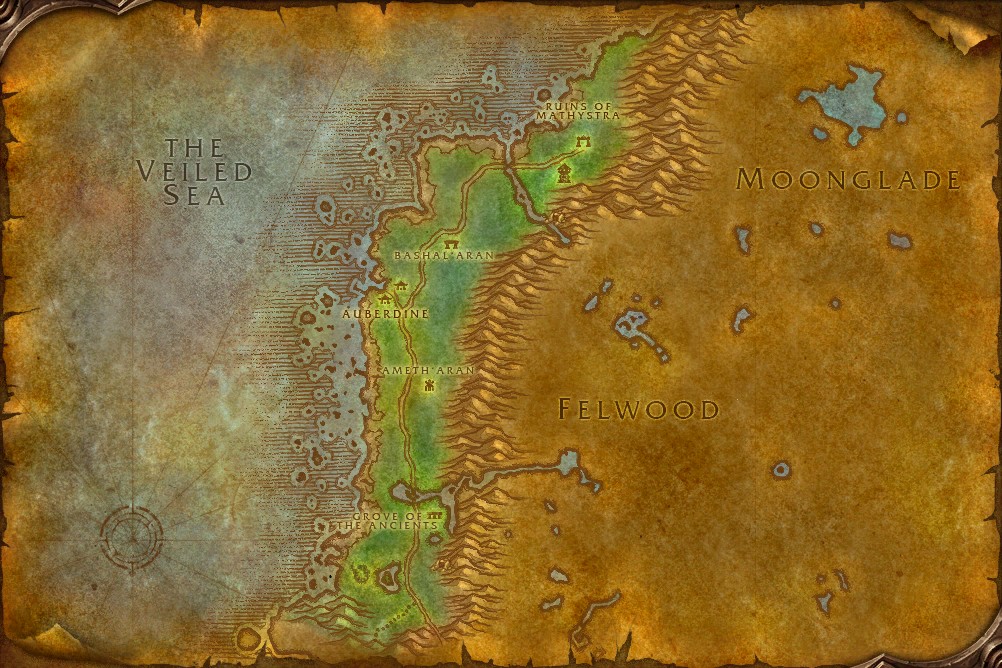 Leveling GoldGold From Level 10 to 20 in WoW Forever: Wool, Medium Leather, Briarthorn and TinWool, Medium Leather, the 10 to 20 herbs and Tin Ore priced live, plus the bronze margin and the profession recipe counts.
 Economy and VendorsVendor Prices in WoW Forever: What to Sell and What to VendorCommon grey and white drops set against their client vendor price, sorted into sell here, sell there and never bother.Leveling GoldBest Gathering Professions to Level With in WoW Forever: Herbalism vs Mining vs SkinningHerbalism, Mining and Skinning ranked by recipe demand and live prices in every bracket, with the new camp features and a pick for each playstyle.Economy and VendorsQuest Gold in WoW Forever: Rewards Worth KnowingWhat 258 Forever quests pay in coin and items, which zones and dungeons pay most, and the client's quest money table by level.
How this guide was written
Prices on this page are read live from TheWoWDB Auction House tables when the page loads. Item names, icons, zones and art come from our own datamine of the game client. We do not publish gold-per-hour numbers for any route nobody has walked and timed, so where a rate would go this page says so. Item and recipe facts are labelled with the WoW Forever client build they were read from; Blizzard patches can change them. Read the full method or the about page.