WoW Gold Farms

 WoW Forever · Economy and Vendors
Vendor Prices in WoW Forever: What to Sell and What to Vendor
Client vendor prices set against live WoW Forever Auction House prices for common grey and white drops, with a sell-here table and the rules for deciding in your bags.
The short answer
Most grey items in WoW Forever belong to the merchant, but not all of them, and the exceptions are worth a bag slot. We set the vendor price of every grey and white item in the client against the Auction House listings for the same item. The pattern that came out is short: greys almost never list under their vendor price, a large share list within a quarter of it, and most listed whites sit at double their vendor price or higher. The rule that follows: vendor greys unless they are beast parts or old armour pieces with a clear premium, and never vendor a white trade good before checking the live price.
How the join works
Every item in the client has a sell price: what a merchant pays you for it. Our datamine reads that number straight from the client, so it is exact. Separately, players scan the Auction Houses, and we keep the live price per item. Dividing one by the other gives a ratio for each item: Auction House price over vendor price.
The pattern that matters is at the bottom of the range. Sellers know the vendor price and rarely list under it, so the Auction House price for a grey is almost always at least the vendor price. Whether anyone pays more is the real question, and for roughly a third of greys the answer the listings give is "not much".
Why a listing near vendor is a loss
Listing an item costs a deposit, and when it sells the Auction House keeps a cut of the sale. A grey that lists at its vendor price therefore pays you less than the merchant would, even when it sells. In Classic the house kept 5 percent of the sale price and the deposit came back on a sale; we have not confirmed the Forever cut, but any cut at all turns a vendor-price listing into a small loss plus a trip to the mailbox.
So the threshold is not "above vendor". It is "far enough above vendor to cover the cut, the deposit risk and your time". On the numbers we have seen we use 1.5 times the vendor price as the line. Below it, vendor. Above it, consider listing.


The sell-here table
These are the most common grey and white drops, sorted by what we would do with each. Vendor prices are client data. The Do this column is the pattern from our scans; check the live prices below before you list anything.
| Item | Quality | Vendor | Do this |
|---|---|---|---|
| Gelatinous Goo | Grey | 1 silver95 copper | List |
| Chipped Bear Tooth | Grey | 18 copper | List in stacks |
| Ruined Pelt | Grey | 5 copper | List in stacks |
| Laced Mail Shoulderpads | Grey | 2 silver60 copper | List |
| Linked Chain Shoulderpads | Grey | 2 silver86 copper | List |
| Patched Leather Shoulderpads | Grey | 2 silver7 copper | List |
| Bristly Whisker | Grey | 7 silver33 copper | Borderline; vendor if in a hurry |
| Brittle Molting | Grey | 88 copper | Borderline |
| Hard Spider Leg Tip | Grey | 4 silver91 copper | Vendor |
| Speckled Shell Fragment | Grey | 9 silver3 copper | Vendor |
| Keen Raptor Tooth | Grey | 4 silver45 copper | Vendor |
| Rotting Bear Carcass | Grey | 1 silver68 copper | Vendor |
| Forked Tongue | Grey | 2 silver28 copper | Vendor |
| Flecked Raptor Scale | Grey | 1 silver68 copper | Vendor |
| Sharp Claw | White | 45 copper | Vendor |
| Slimy Murloc Scale | White | 75 copper | Vendor |
| Murloc Eye | White | 16 copper | Vendor |
| Strange Dust | White | 1 copper | List, always |
| Raw Brilliant Smallfish | White | 1 copper | List |
Lowest buyout across the WoW Forever realms we scan, read live from player scans of the Auction House. Prices move hourly, so check before you list. Verified
Ratio is not everything: value per bag slot
A high ratio does not make an item worth carrying if the stack is small and the price is tiny. Your bags are the real limit while levelling, so the better question is what one full bag slot of an item is worth. The client gives every item a stack size, and that turns the table above into something more useful.
| Item | Stack size (client) | One full slot at vendor |
|---|---|---|
| Bristly Whisker | 10 | 73 silver30 copper |
| Speckled Shell Fragment | 5 | 45 silver15 copper |
| Keen Raptor Tooth | 10 | 44 silver50 copper |
| Strange Dust | 20 | 20 copper |
| Hard Spider Leg Tip | 5 | 24 silver55 copper |
| Gelatinous Goo | 5 | 9 silver75 copper |
| Laced Mail Shoulderpads | 1 | 2 silver60 copper |
| Copper Ore | 20 | 1 silver |
| Raw Brilliant Smallfish | 20 | 20 copper |
| Chipped Bear Tooth | 10 | 1 silver80 copper |
| Ruined Pelt | 5 | 25 copper |
The slot values are our arithmetic: stack size times vendor price. Multiply the stack size by the live price to get the Auction House column. Two lessons come out of it. Bristly Whisker has a modest ratio, but a full slot of it is worth more at the vendor than most things here are worth at the Auction House, so it is never junk to throw away. Ruined Pelt has a decent ratio on a tiny price, so a full slot of it is worth very little and it is the first thing to drop when your bags are full. Use the ratio to decide where to sell, and the slot value to decide what to keep carrying.
Four patterns in the data
Grey shoulders sell, grey belts do not
The biggest grey premiums we have seen were on grey armour, and in particular on shoulders. Patched Leather Shoulderpads, Laced Mail Shoulderpads and Linked Chain Shoulderpads have listed at many times their vendor price. Grey belts, pants and weapons, by contrast, have clustered at one round price: Worn Leather Belt (vendor 9 copper), Patchwork Pants (vendor 20 copper), Rust-covered Blunderbuss (vendor 28 copper) and Rusty Hatchet (vendor 72 copper). A row of different items at the same round price is a sign that sellers picked a floor, not that buyers agreed. We would vendor those and list the shoulders.
Our reading on the shoulders, which we have not tested, is appearance: old grey shoulder models are popular for transmog in modern WoW, and some players carry that habit into Forever. Whatever the reason, list them.
Beast parts with a crafting use carry a premium
Gelatinous Goo, Chipped Bear Tooth and Ruined Pelt have listed at a few times vendor. In Classic, some beast drops are quest items or minor reagents, which gives them a small player market. The parts with no use, such as Rotting Bear Carcass, Forked Tongue and Flecked Raptor Scale, list at their exact vendor price.
White monster drops are vendor items too
Not every white item is a trade good. Sharp Claw, Slimy Murloc Scale, Murloc Eye, Spider Ichor and Boar Intestines all list at about their vendor price. They are quest and cooking items with a player market that never rises above what the merchant pays. Vendor them unless a quest asks for them.
Raw cooking ingredients are the hidden winners
The biggest ratios among white drops belong to cooking materials. Raw Brilliant Smallfish vendors for 1 copper and Stringy Wolf Meat for 4 copper, and both list far above that. Raw Slitherskin Mackerel and Small Egg did the same. New Cooks need these by the stack, and few players bother to list them.
How to sort your bags in under a minute
- Pull out anything grey. If it is a shoulder piece, keep it for the Auction House.
- Vendor every other grey unless you know it lists above 1.5 times its vendor price. The table above covers the common ones.
- Look at your whites. Trade goods (cloth, leather, herbs, ore, dust, cooking ingredients) go to the Auction House. Monster parts with no recipe go to the merchant.
- Never vendor Strange Dust or any enchanting material. The merchant pays a single copper; the Auction House pays many times that.
- Do the check on the live strip, not from memory. Prices move daily.
Where the samples come from
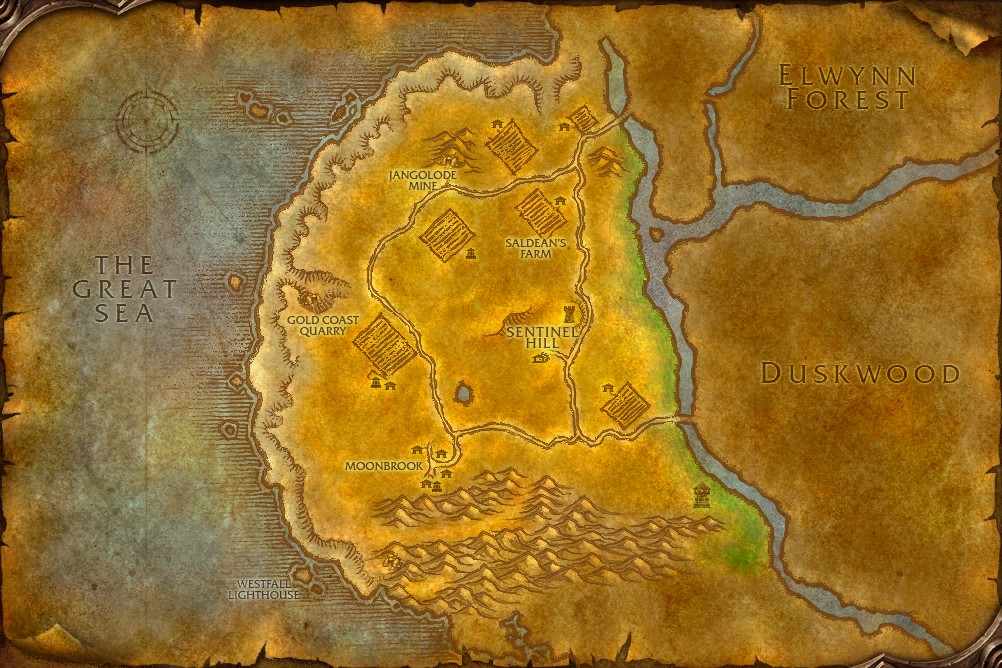
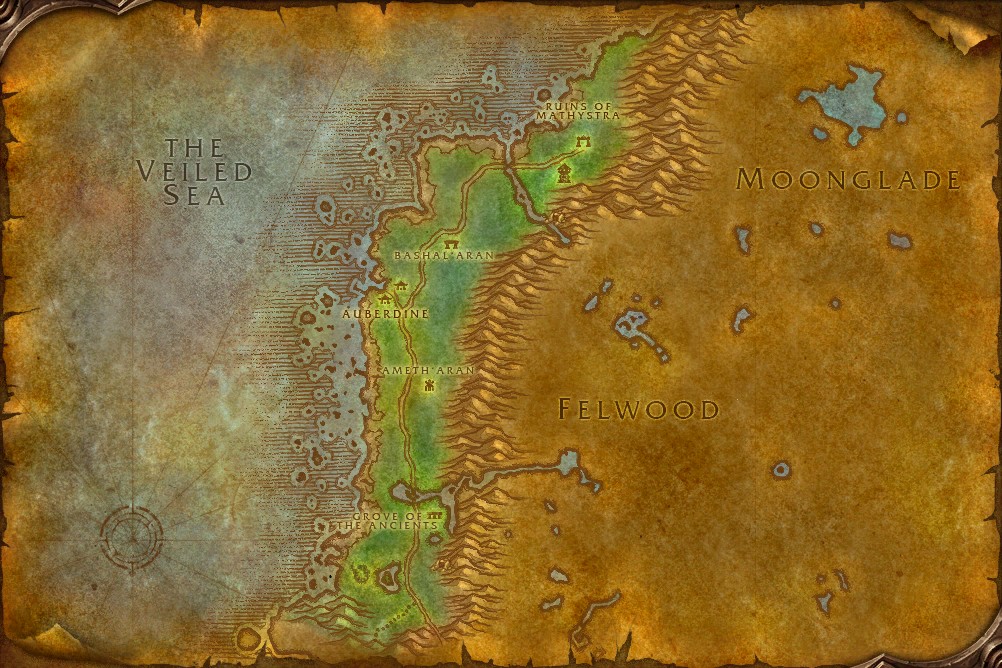
The items in the table drop all over the starting and second zones, and none of this depends on where you farm. These are the zones where we would expect to see most of them, based on the mobs that drop them in Classic. We have not run a timed loot session.
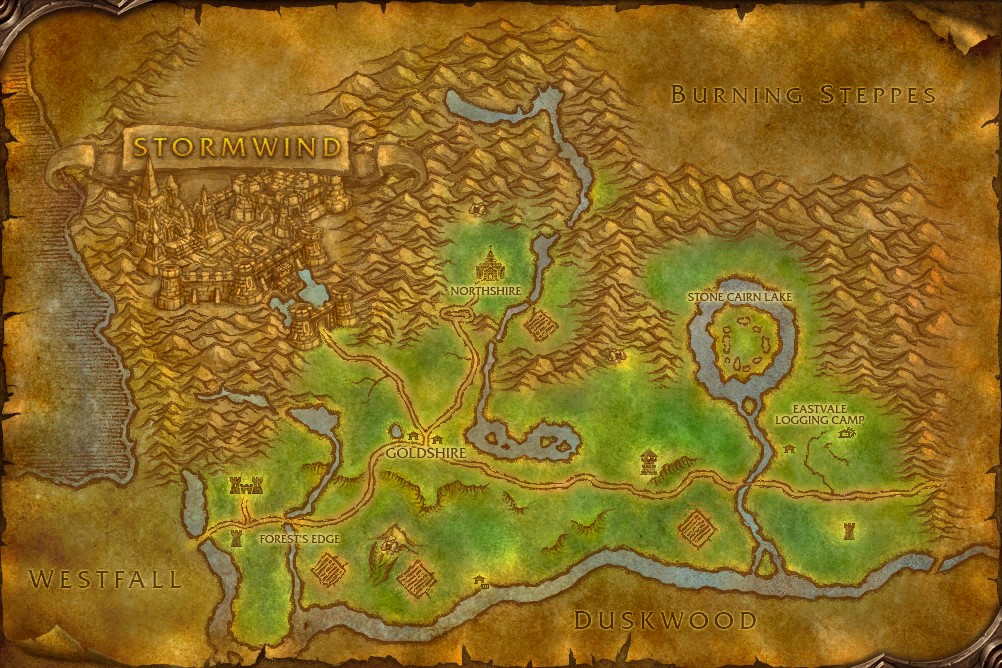
Elwynn Forest: Eastern Kingdoms, Zone ID 12
- Level
- Any
- Profession
- None needed
- Gear
- Bag space
- Group
- Solo
What will change over time
Vendor prices will not move: they are fixed in the client, and they are the one number on this page you can trust exactly as written. The listings will move. As more players list the same items, the premiums on grey shoulders and beast parts tend to shrink, while cooking ingredients and enchanting dust hold up because their buyers grow with the population. Treat every "List" in the table as "check the live price first", and every "Vendor" as safe.
The bottom line
The vendor is the default, and the default is right for about a third of greys and for every white monster part. The Auction House earned its trip for three groups: grey shoulder armour, beast parts with a crafting or quest use, and every white trade good. Learn those three groups and you stop leaving silver in the merchant's till without wasting evenings on one-copper listings.
For what to do with greens, see BoE greens while leveling. For the starter items in detail, read gold from level 1 to 10. Quest money is covered in quest gold in WoW Forever, and bank and alt storage in alt leveling for gold. Every Forever economy page is on the WoW Forever gold guides index, and the full lane is on the leveling gold hub.
Changelog
- 2026-10-08: First version. Vendor prices and item data as of beta build 70291, joined to player scans of the beta houses read on 2026-10-08.
- 2026-11-21: Rewritten for the launched game. Beta join counts, dated beta listing columns and launch predictions removed; vendor prices kept from the client and Auction House prices now come from the live tags.
Related gold guides
 Leveling GoldGold From Level 1 to 10 in WoW Forever: What to Loot, Sell and VendorThe first ten levels priced item by item: which starter drops beat the vendor on the Auction House and which ones never will.Leveling GoldBoE Greens While Leveling in WoW Forever: Sell or EquipBind on equip greens and blues split into world drops and crafted gear, with client vendor prices and live Auction House prices to price against.Economy and VendorsQuest Gold in WoW Forever: Rewards Worth KnowingWhat 258 Forever quests pay in coin and items, which zones and dungeons pay most, and the client's quest money table by level.Leveling GoldAlt Leveling for Gold in WoW Forever: Gatherer Alts, Bank Alts and Legacy PointsWhich two gathering professions to give an alt, by bracket; the Legacy Points alts earn for the account; and the bank alt's bag bill.
How this guide was written
Prices on this page are read live from TheWoWDB Auction House tables when the page loads. Item names, icons, zones and art come from our own datamine of the game client. We do not publish gold-per-hour numbers for any route nobody has walked and timed, so where a rate would go this page says so. Item and recipe facts are labelled with the WoW Forever client build they were read from; Blizzard patches can change them. Read the full method or the about page.