WoW Gold Farms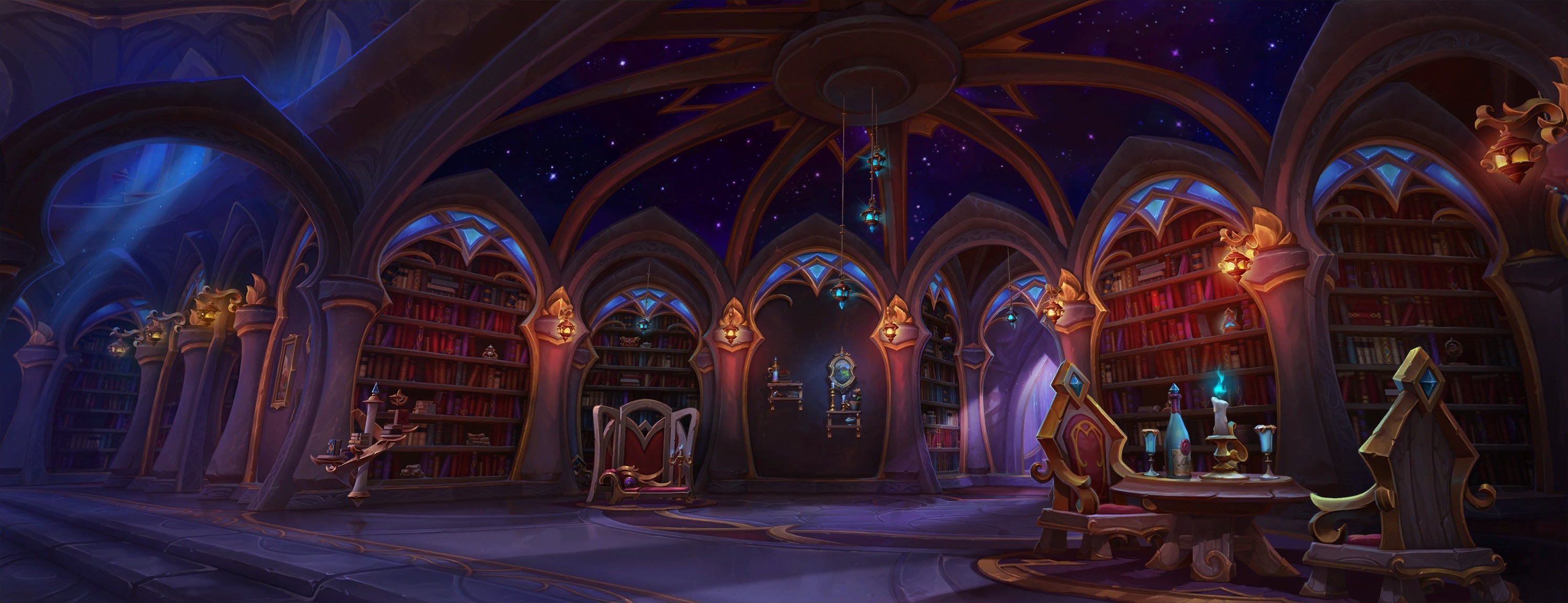
 Midnight (Retail) · Crafting Professions
Enchanting for Gold in Midnight: Dust, Shards and Crystals
Eversinging Dust, Radiant Shard and Dawn Crystal priced live, who consumes each one, the Dawn Crystal share of enchanting bills, and the item crafts that pay.


Lowest current buyout, US region commodity market, read from our Auction House tables. Verified
The short answer
Midnight Enchanting runs on three materials, and only one of them carries real money.  Eversinging Dust sells for 89 silver and
  Radiant Shard for 2 gold32 silver at the lower grade, close to their vendor value.
  Dawn Crystal sells for 97 gold97 silver at the lower grade and 225 gold89 silver at the higher grade, about a hundred times its vendor price. So for an enchanter the gold sits in Dawn Crystals: every crystal you shard from an epic is worth more than a full bag of dust. On the crafting side, most item crafts sell below their bill, but a few Gleeful Glamours sold for many times their cost on our snapshot, and those are the easy wins.
The three materials at a glance
Our datamine of client build 12.1.0.69933 lists each Midnight enchanting material at two quality grades. Here they are side by side:
| Material | Rarity | Vendor price | Lower grade (now) | Higher grade (now) | Higher over lower (2026-10-08) |
|---|---|---|---|---|---|
| Eversinging Dust | common | 75 silver | 89 silver | 1 gold53 silver | 1.45x |
| Radiant Shard | rare | 90 silver | 2 gold32 silver | 2 gold73 silver | 1.57x |
| Dawn Crystal | epic | 1 gold5 silver | 97 gold97 silver | 225 gold89 silver | 2.38x |
The ratio column used our 2026-10-08 snapshot: dust at 1 gold1 silver and 1 gold46 silver, shards at 2 gold and 3 gold13 silver, crystals at 101 gold88 silver and 242 gold85 silver. Dust and shards barely reward the higher grade, while a higher grade crystal was worth more than twice a lower grade one. If your setup turns crystals into the higher grade, that is where your Enchanting specialization pays first.
Who buys each material
Demand is what sets a material's price, so we counted the recipes that consume each one. Our recipe table lists these users:
| Material | Enchant spells | Other Enchanting crafts | Other professions |
|---|---|---|---|
| Eversinging Dust | 44 | 35 (glamours, oils, codices, tools) | 1 Alchemy recipe |
| Radiant Shard | 40 or more | 17 | at least 29 Tailoring recipes, 1 Alchemy |
| Dawn Crystal | 34 | 14 | 2 Jewelcrafting recipes |
Our recipe lookup returns at most 80 recipes per material, and both dust and shards hit that cap; a second pass through other reagents found at least 29 Tailoring recipes that take shards, so treat both rows as minimums. Two facts stand out. Dust is used almost only by enchanters, so its price follows enchanting volume and nothing else. Radiant Shards also feed at least 29 Tailoring recipes, including every Arcanoweave and Sunfire Silk gear piece and both spellthreads, so tailors are a second source of shard demand.
One gap in our data: the enchant spells themselves, such as Enchant Ring and Enchant Weapon, are linked to these materials in our recipe table, but our read does not expose their reagent counts. We will not guess them. Open the recipe in game to see the count and plug it into the bill method below.
Dawn Crystal is the Lotus of enchanting
The expensive Enchanting crafts we could read all use Dawn Crystals, and the crystals dominate their bills. Take the Runed Brilliant Silver Rod, an enchanter's tool, at our 2026-10-08 prices:
| Reagent | Qty | Unit (2026-10-08) | Line |
|---|---|---|---|
| Dawn Crystal | 2 | 101 gold88 silver | 203 gold76 silver |
| Brilliant Silver Ore | 5 | 5 gold | 25 gold |
| Eversinging Dust | 20 | 1 gold1 silver | 20 gold20 silver |
| Silvermoon Weapon Wrap | 1 | 15 gold49 silver | 15 gold49 silver |
| Radiant Shard | 5 | 2 gold | 10 gold |
| Total | 274 gold45 silver |
Two crystals were 74 percent of the bill. Twenty dust were 7 percent. The same pattern holds for the Spellbound Tome of Thalassian Magics, where three crystals were 305 gold64 silver of a known bill near 351 gold, about 87 percent. So when you price any enchant, look at the crystal count first. A craft with no crystal is cheap whatever else it uses; a craft with three crystals is expensive whatever else it uses.
Item crafts that pay, and the ones that do not
These are the Enchanting crafts that make a tradeable item, with their bills and sale prices on 2026-10-08. The break-even yield is the bill divided by the sale price: the number of items one craft must produce to cover its reagents.
| Craft | Reagents | Bill (2026-10-08) | Sale (2026-10-08) | Break-even yield |
|---|---|---|---|---|
| Gleeful Glamour: Haranir | 2 Eversinging Dust, 1 Mote of Primal Energy | 2 gold72 silver | 77 gold | 0.04 |
| Gleeful Glamour: Mag'har Orc | 2 Eversinging Dust, 1 Mote of Light | 2 gold56 silver | 29 gold99 silver | 0.09 |
| Gleeful Glamour: Orc | 2 Eversinging Dust, 1 Mote of Light | 2 gold56 silver | 12 gold95 silver | 0.20 |
| Gleeful Glamour: Draenei | 2 Eversinging Dust, 1 Mote of Light | 2 gold56 silver | 5 gold50 silver | 0.47 |
| Gleeful Glamour: Pandaren | 2 Eversinging Dust, 1 Mote of Wild Magic | 2 gold62 silver | 3 gold87 silver | 0.68 |
| Gleeful Glamour: Earthen | 2 Eversinging Dust, 1 Mote of Primal Energy | 2 gold72 silver | 3 gold19 silver | 0.85 |
| Gleeful Glamour: Troll | 2 Eversinging Dust, 1 Mote of Wild Magic | 2 gold62 silver | 2 gold15 silver | 1.22 |
| Illusory Adornment: Nature's Embrace | 2 Eversinging Dust, 1 Mote of Wild Magic, 1 Enchanting Vellum | 2 gold71 silver | 1 gold79 silver | 1.51 |
| Thalassian Phoenix Oil | 5 Eversinging Dust, 1 Sunglass Vial, 5 Mote of Light | 10 gold85 silver | 1 gold55 silver | 7.0 |
The Gleeful Glamours are the clear standouts. They cost under 3 gold each in reagents, and a few races sold for many times that. The Haranir glamour was the outlier at 77 gold; The Haranir are the people of Harandar, new to players in Midnight, which is our best guess for the demand. Most other glamours, including Human, Gnome, Dwarf, Goblin, Tauren and Worgen, sold for around 1 gold, below their bill, so craft only the races that sell. Glamour markets are thin: a few listings can crash a price that looks great today. List one or two at a time.
Thalassian Phoenix Oil needs seven oils per craft to break even, and Oil of Dawn adds two Petrified Root at 350 gold54 silver each, which no oil price we saw could cover. Leave both alone unless your own yield says otherwise.
Disenchanting: the inputs
Disenchanting is how enchanters get materials without buying them. Green items tend to give dust, blue items shards and epic items crystals, according to long standing player knowledge. The disenchant yield is not in the client data and we have not measured it, so this page prints no yield per item. What we can give you is the decision rule:
- Look up what the item would sell for on the Auction House, or its vendor price if it cannot be sold.
- Look up the live price of the material it usually gives: dust for greens, shards for blues, crystals for epics.
- Disenchant when the material is worth more than the item. Otherwise, sell or vendor the item.
With dust and shards near their vendor price on our snapshot, most green and blue items were roughly a wash: a green that vendors for 3 gold or more is usually better sold to the vendor than disenchanted. Epics are different. A single lower grade Dawn Crystal was worth 101 gold88 silver, which beats the vendor price of almost any Midnight epic. Disenchant the soulbound epics you cannot use rather than vendoring them.
Where enchanters find their materials
Enchanters gather by disenchanting rather than from nodes, so the zones that matter are the ones where gear drops. Dungeons, Delves and world content all drop gear; we have not measured drop rates for any of them.
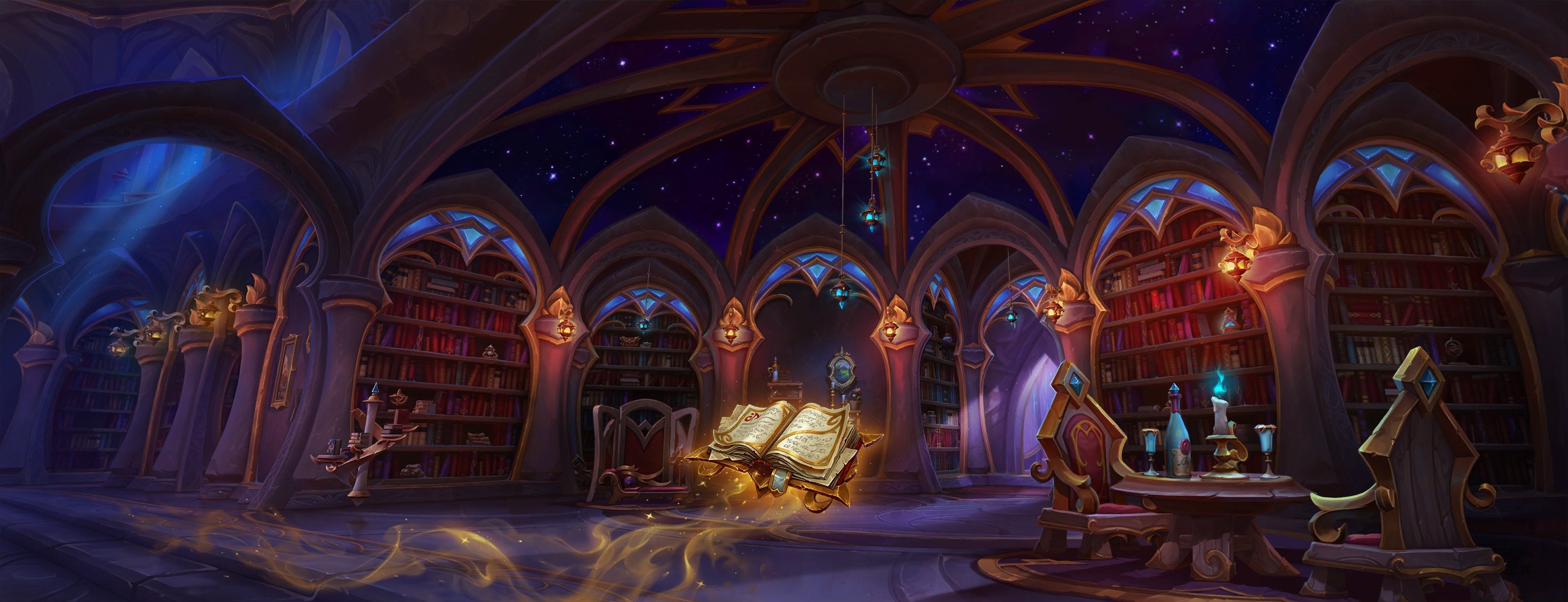
Eversong Woods: Levels 80-83, Eastern Kingdoms, Zone ID 15968
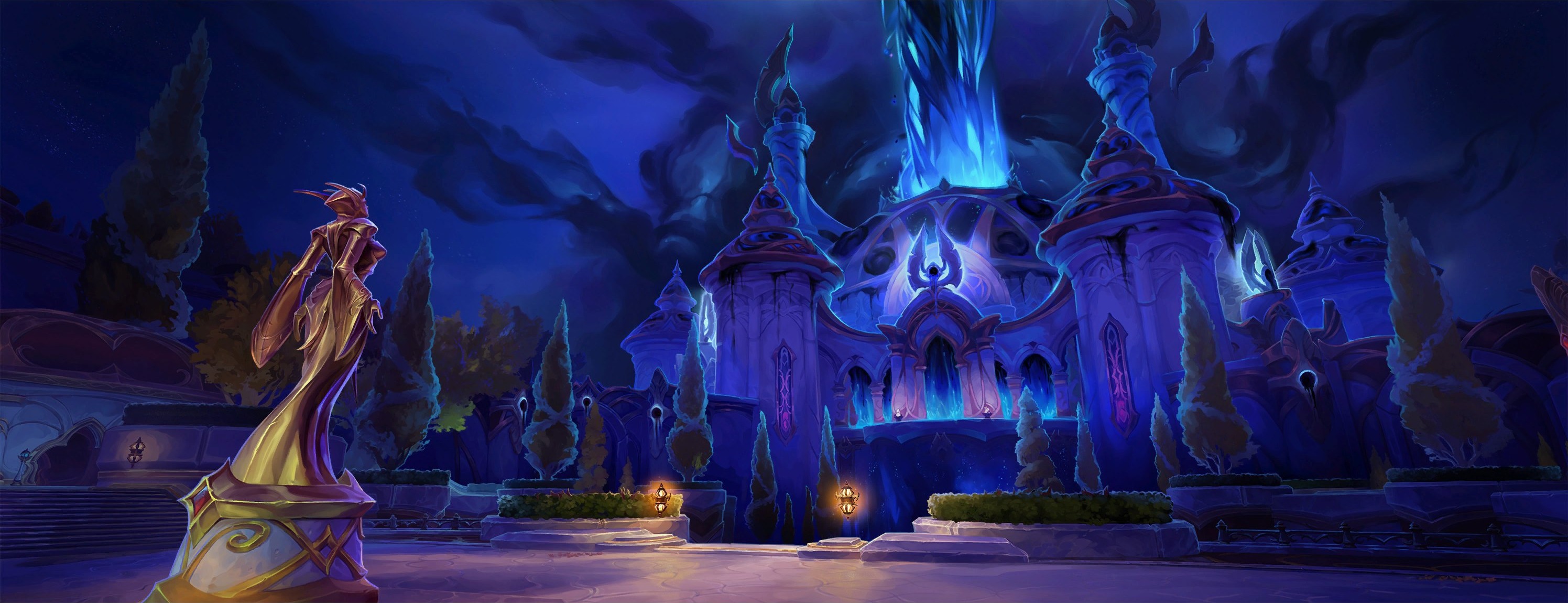
Our datamine carries a March on Quel'Danas loading screen, and the isle is where Midnight's story builds toward its endgame. Any content that drops epic gear is content that feeds Dawn Crystals.
- Level
- 80 or higher
- Profession
- Enchanting
- Inputs
- gear to disenchant or materials from the Auction House
- Group
- Solo or group content for gear
Gear farming for disenchanting
Not walked yet
No hourly gold figure is published here until this route has been walked end to end with a timer and a full loot log. Until then this page gives you the inputs (live prices and what drops) and leaves the arithmetic to you.
What to do first
- Check the higher grade crystal price against the lower grade every day. If your setup gives higher grade crystals, sell them; they carry the biggest grade premium of any enchanting material.
- Craft the Gleeful Glamours that sell above 5 gold, one or two at a time, and skip the races that sell near 1 gold.
- Price every enchant by its crystal count before anything else.
- Disenchant every soulbound epic on a character that has Enchanting. Vendor greens whose vendor price beats the dust they would give.
- Do not craft oils for the market on our numbers.
Risks and what to watch on the Auction House
Dawn Crystal prices move with gear demand, which sellers report peaks at the start of a season and when a raid opens; we have not measured that timing in our tables yet. Hold a few crystals across those days rather than selling them all at once. Dust is shaped almost entirely by enchanting volume, and with a price close to vendor value there is little downside in holding it, but also little upside. Shards have a second buyer in Tailoring, so a busy tailoring week can lift them. Glamour prices are the most fragile on this page. They depend on a handful of buyers and can halve overnight.
Pricing an enchant for a customer
Many enchanters earn their gold by enchanting other players' gear rather than by selling items. That means quoting a price, and a good quote starts from the bill. Here is the method we use, which works for any enchant once you read its reagent counts in the game:
- Open the enchant in your profession window and note how many of each material it needs.
- Multiply each count by the live price on this page. Use the lower grade price unless the customer wants the top rank result.
- Add the lines. The Dawn Crystal line will almost always be the biggest one.
- If the customer brings their own materials, charge for your time and Concentration only; if you supply them, charge the full bill plus your fee.
- If you spend Concentration to reach the top rank, add a premium. Concentration refills slowly, and a top rank enchant is worth more to the customer.
The bill method also tells you when to refuse a job. If a customer asks for a three crystal enchant at a price below three crystals, the job loses money whatever your fee is. Quote the bill and let them decide.
Holding materials across a patch
Enchanting materials keep forever and take little bag space, which makes them good to hold. Dust and shards sat close to their vendor value on our snapshot, so the worst case for holding them is small: you can always vendor them for 75 silver and 90 silver each. Dawn Crystals are different. A lower grade crystal was worth about a hundred times its vendor price, so it can fall a long way. Hold a modest stock of crystals into a patch or season start, when gear demand rises, and sell into that demand rather than after it has passed. Sell the higher grade crystals first, since their premium over the lower grade was the largest of the three materials on our snapshot.
Related reading
- Tailoring for Gold in Midnight
- Jewelcrafting for Gold in Midnight
- Concentration in Midnight
- The Best Midnight Profession for Gold
- All Midnight crafting guides
Changelog
- 2026-10-08: First version. Recipes, reagent counts and recipe users from our datamine of client build 12.1.0.69933; prices from our US commodity tables, read on 2026-10-08 (US evening).
- 2026-10-08: Review pass. Reagent counts rechecked against our datamine of client build 12.1.0.69933; claims we could not confirm in our data are now labelled as player reports.
Related gold guides
 Crafting ProfessionsTailoring for Gold in Midnight: Bolts, Linings and GearEvery step of the Midnight bolt chain priced, the raw cloth versus bolt decision, and which linings and spellthreads pay.
 Crafting ProfessionsJewelcrafting for Gold in Midnight: Gems, Lenses and PrismsCut gem, flawless gem, prism and lens margins with the Petrified Root problem worked out, from our recipe table and live prices.
 Crafting ProfessionsConcentration in Midnight: Which Crafts Deserve ItMidnight crafts ranked by the price gap between quality ranks, the best use of Concentration in every profession, and the crafts to skip.Crafting ProfessionsThe Best Midnight Profession for Gold, Ranked from Live PricesThe eight Midnight crafting professions ranked by the margin of their best crafts, method shown, with gathering pairings.
How this guide was written
Prices on this page are read live from TheWoWDB Auction House tables when the page loads. Item names, icons, zones and art come from our own datamine of the game client. We do not publish gold-per-hour numbers for any route nobody has walked and timed, so where a rate would go this page says so. Read the full method or the about page.